Ghost Signs and Shuttered Bars: A Cromer Pub Walk with a Pint at the End
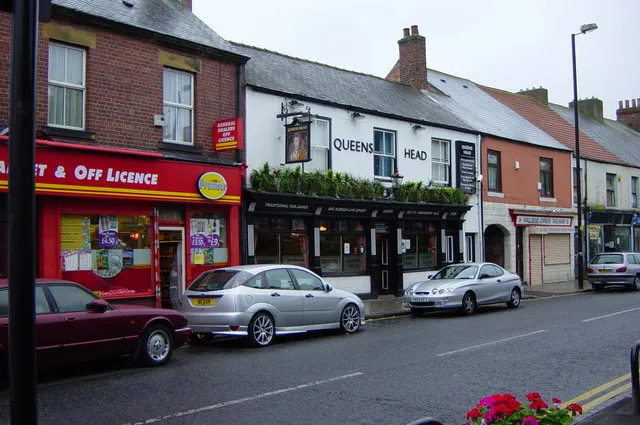
Photo: A McCarron, CC BY-SA 2.0, via Wikimedia Commons
Cromer has lost more pubs than it has kept. You can walk the town in under an hour and pass the ghosts of at least half a dozen — a doorway that looks too wide for a house, a window that still has the shape of a pub sign, a wall that remembers when the room behind it was full of smoke and noise.
This is not a formal heritage trail. There are no brass plaques. It is a wander through the streets with a few scraps of old maps, a handful of newspaper cuttings and the kind of local memory that lives in the back of a chip shop queue. It ends at The Albion, which is still here, still pouring, still asking the same question every pub in a seaside town eventually has to answer.
Start at the church steps
Begin at the top of Church Street, where the town feels older and the streets narrow. Look down towards the sea. In the nineteenth century, this was a dense little network of lanes, yards and back doors. Pubs were not destinations; they were neighbours. Some were proper inns with beds and stables. Others were beerhouses — a room, a licence and a barrel.
Walk down Church Street and stop where the pavement kinks. Old licensing records and newspaper scraps point to a beerhouse near here, known locally as one of the many small houses that served the fishing trade. No sign remains. The building is a house now, or a shop, or something that has been both. The only clue is the width of the old door and the fact that the front room still has a separate entrance. That was not for guests. That was for drinkers.
The first ghost
Turn into Garden Street. Halfway along, there is a plain brick front that looks like it has been quietly absorbed into the terrace. Local memory says this was a pub — not a grand one, not a hotel, just a local. The kind of place where you could get a pint and a plate of something hot, and where the landlord knew which boats were out and which were not.
These small bars mattered. They were not just places to drink. They were where news moved, where work was passed on, where a fisherman could find out whether the tide was right for a particular ground. When they closed, the information did not disappear. It just went somewhere less visible. That is part of what a town loses when a local shuts: not just the beer, but the room where people were allowed to be ordinary together.
The railway and the rush
Walk towards Prince of Wales Road. The railway arrived in the late nineteenth century and changed the town’s drinking habits. Visitors came for the season, and pubs multiplied to meet them. Some were large and confident. Others were opportunistic. Old maps show a cluster of licensed premises near the station and the seafront, as if the town had grown a second set of roots overnight.
One of those sites is now a holiday flat with a faded brick arch and a cellar hatch that looks too heavy for domestic use. Another is a café whose back wall still has a beam that was clearly not put there for coffee. You do not need a documentary to see it. You just need to look at the bones of the building.
What survival looks like
Walk down to West Street and The Albion. By now you have passed at least five places that no longer exist. The Albion is not the oldest pub in Norfolk, and it is not the grandest. It survives because it has adapted without pretending to be something else. Food, proper pints, a room that works for both a quiet Tuesday and a busy Sunday. It has stayed a pub rather than becoming a museum of one.
That is the question to ask over your pint: what makes a pub survive in a seaside town? Location helps. A good landlord helps more. But the real answer is probably less romantic. A pub survives when enough people use it for ordinary reasons — a pint after work, a meal with the family, a place to sit when the weather turns. The moment it becomes only a treat, it is in trouble.
Cromer’s lost pubs are not a tragedy. They are a reminder. Every shuttered bar was once someone’s local. Every ghost sign was once a front door that opened onto the same question: is there room for us in here? The Albion is still answering yes. Long may that continue.