Blue Fingers, Brown Mug: Cromer's Cold-Water Swimmers and the Albion's Post-Dip Warm-Up
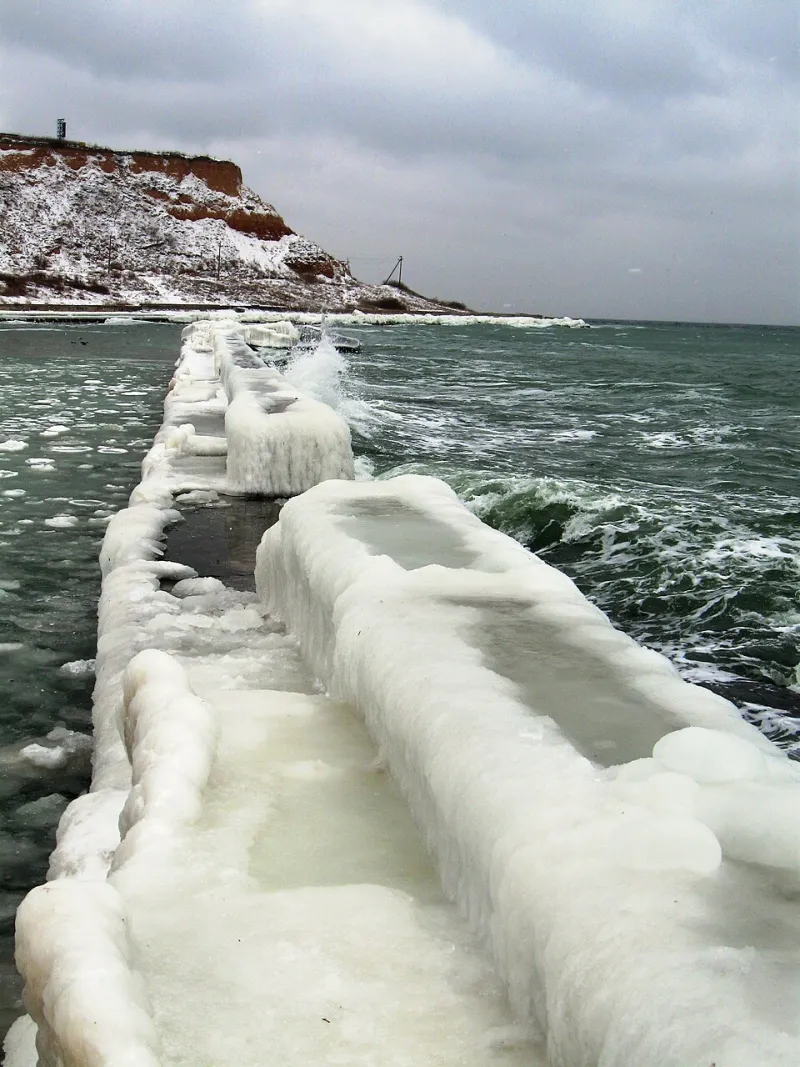
Photo: ARTist1608, CC BY 3.0, via Wikimedia Commons
At ten to seven on a November morning, the promenade at Cromer is doing its best impression of a place that has been switched off. The pier is a dark line, the beach is empty, and the sea is making the sort of noise that suggests it has no intention of being friendly. Then a car door slams, a towel drops onto the tarmac, and the first swimmer of the day walks towards the water with the calm expression of someone who has already lost an argument with themselves.
They are not a club in the formal sense. There is no membership card, no committee, no annual general meeting. There is a time, a place and a shared understanding that the sea is colder than it looks. By half past seven, a handful of them will be climbing the hill towards The Albion, hair wet, hands the colour of a bruise, and the corner by the fire will quietly fill up with damp wool and steaming mugs.
Before the First Mug
The swim itself is short. That is the first thing to understand. Cold-water dipping is not a sport of endurance in the way outsiders imagine. It is a ritual of arrival and retreat: walk in, breathe, stay a few minutes, get out before your body starts sending formal complaints. The regulars talk about the shock of the first step, the way the cold resets something in the head, the strange warmth that follows once you are dry and dressed.
On the beach, there is little ceremony. Towels are wrapped, flip-flops are regretted, and someone always says they are not doing it again tomorrow. They usually do.
The Walk That Does the Warming
The climb from the promenade to The Albion is not long, but it is long enough. By the time the swimmers reach the door, the shivering has usually moved from violent to manageable. Coats are unzipped, hats are removed, and the pub takes on the atmosphere of a small, unofficial drying room.
There is no sign saying changing room. There does not need to be. The staff know the pattern. The corner by the fire is left alone. The radiators are not covered with notices asking people to keep off. A pile of wet coats and boots accumulates near the hearth, looking like a sheep that has given up on life.
What Lands on the Table
The hot chocolate is the point of the whole exercise, or at least that is how it feels from the outside. At The Albion, it is made with proper milk and dark chocolate rather than a powder that tastes like sweetened dust. It arrives hot enough to require patience and thick enough to leave a mark on the mug. Marshmallows are available but not compulsory. For the swimmers, there is an understanding that extra cocoa is allowed.
Alongside the mugs, the kitchen keeps a small morning menu that is less about brunch and more about ballast. Toasted crumpets with butter. Cheese scones, warm rather than room temperature. On weekends, bacon rolls appear and disappear quickly. Nobody is pretending this is fine dining. It is the sort of food that makes sense when your hands are still numb and your body is deciding whether to forgive you.
The Corner by the Fire
The corner by the fire is not reserved. It just happens. Swimmers drift towards it the way cats find the warmest spot in a room. Conversations start slowly, then gather pace. Someone describes the sea as bracing, which is the local code for brutal. Someone else claims it was warmer than last week, which is the local code for lying.
There is a quiet rule about not making a fuss. No one asks for a medal. No one expects a round of applause. The swim is the excuse; the mug is the reward. The fire is the reason they stay.
An Unofficial Changing Room
In a town like Cromer, the pub has always done more than serve drinks. It is a waiting room, a meeting place and, in winter, a warm space that asks very little of you. For the swimmers, The Albion fills a gap that no beach hut or leisure centre quite covers. It is somewhere to sit without looking at the clock. Somewhere to thaw.
The staff are practical about it. Wet floors are mopped. Coats are moved if they block a passage. Nobody is told to hurry up. The swimmers know the menu, know the layout and know that a second hot chocolate is not a sign of weakness.
The Quiet Rules
Every group has its rituals, and this one is no different. The first rule is that you do not ask how cold it was. You can say it was cold. You can say it was fine. You cannot produce a number, because numbers invite competition and competition ruins the point.
The second rule is that you order something. It does not have to be hot chocolate. Tea is acceptable. Coffee is acceptable. Sitting by the fire with nothing is not.
The third rule is that the swim happens first. The pub is not a clubhouse that happens to be near the sea. It is the place you go after the sea has done its work.
Why It Works
Cold-water swimming has become a popular way to talk about mental health without talking about mental health. The regulars at Cromer would probably resist that framing. They would say they just like the sea, or that it wakes them up, or that it is cheaper than a gym. All of that is true. But there is something else, too: the shared discomfort, the short walk up the hill, the mug that is waiting.
The Albion does not market itself as a wellness destination. It is a pub. But on a winter morning, with the fire lit and the windows steamed up, it is also the warmest room in town. The sea will keep being cold. The kettle will keep being on.