No Boats, No Panic: How The Albion Rewrites Its Menu When Cromer Goes Quiet

Photo: coastal pub kitchen staff preparing root vegetable stew winter warm light, via companyblog.jcpnewsroom.com
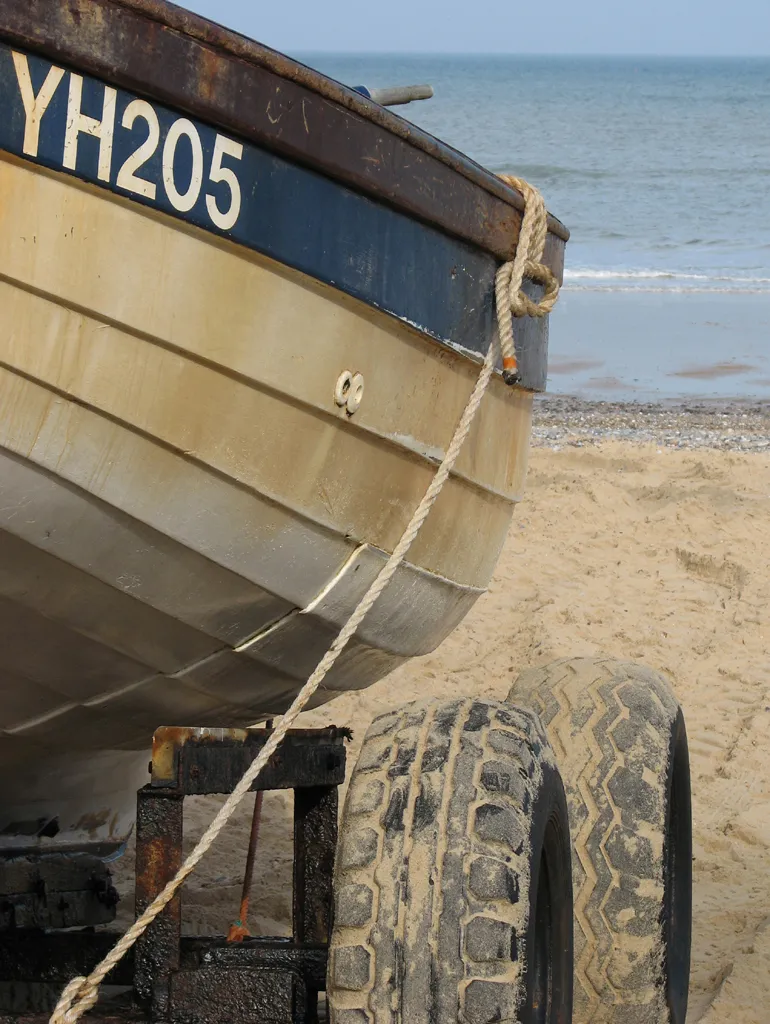
There's a particular kind of morning in Cromer when you know, before anyone says it out loud, that the boats aren't going anywhere. The wind comes off the sea in gusts that rattle the beach huts, the swell stacks up grey and messy beyond the pier, and the slipway fills with men in oilskins standing about with their hands in their pockets, looking at the water and then at each other. Nothing to be done. The sea decides, and everyone else adjusts.
At The Albion, that adjustment happens in the kitchen, usually before the second pot of coffee has gone round.
The phone call that starts the day
On a normal Tuesday, the kitchen's day begins with shellfish — a boxes-and-crates job, crab mostly, whatever the boats have landed and whatever hasn't already been promised to the restaurants up the coast. On a storm day, the day begins with a phone call explaining that there won't be any.
That's not a disaster, exactly. It's a familiar problem with a familiar set of answers. But it does mean the menu that was printed on Sunday and pinned up by the door is now, in places, fiction. You can't serve Cromer crab when Cromer's crab is sitting in a boat that can't get out of the harbour. You can't pretend otherwise, and honestly, in a town this size, you'd be rumbled by half past twelve.
So the first job isn't cooking. It's editing.
Reading the sea before reading the rota
Anyone running a kitchen on this coast learns to check the forecast the way other people check their bank balance — quickly, often, and with a certain amount of wincing. An easterly blow in November is bad news for the inshore boats. A run of them, and you're planning a week of menus around what's in the freezer rather than what's on the quay.
What that means in practice is that The Albion never quite runs a single menu. It runs a menu with seams in it — dishes designed to be taken out and swapped without the whole thing falling apart. That's a lesson learned the hard way over a few winters, and it's the difference between a stressful morning and a genuinely grim one.
What's already in the larder
The saving grace of a storm day is that it rarely arrives completely unannounced. There's usually a day or two of warning, and a kitchen that's paying attention uses it. So by the time the wind actually hits, there's a decent stock of things that don't care what the sea is doing.
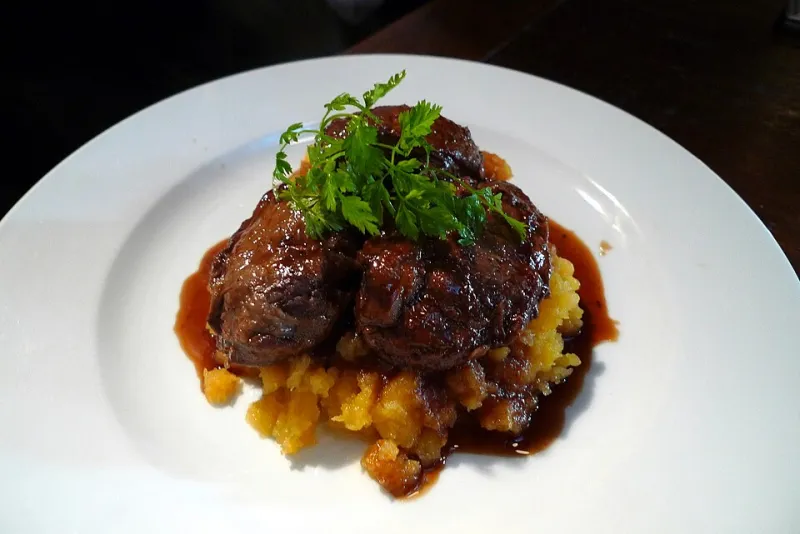
Norfolk-reared pork is the workhorse. Shoulder, belly, sometimes a bit of both, slow-cooked until it's the sort of thing you want to eat with a spoon while looking out at weather you're glad not to be in. Beef shin turns up too, braised dark with stout and a bit of treacle, and there's usually a chicken or two knocking about for the people who want something plain and hot and uncomplicated.
Then there's the dry store: lentils, butter beans, pearl barley, a sack of potatoes that never seems to get any smaller. Onions, carrots, swede, beetroot, cabbage that keeps for a fortnight in the cold room. A storm menu isn't a compromise menu — it's a menu that leans on the bits of cooking that have always worked when the weather closes in.
Swapping crab for something with roots on it
Here's the swap that matters. Take the crab off, put the pork on. Take the fish special off, bring forward the braise that was sitting quietly at the bottom of the board waiting its turn.
It's not a like-for-like replacement and nobody pretends it is. But it is a decent trade. A crab sandwich is a summer thing — bright, cold, sharp, eaten outside on a bench with the wind at your back. A slow-braised pork shoulder with butter beans and greens is a November thing. Both are good. They just belong to different weather.
There's also a quiet satisfaction in it for the kitchen. Storm days are when the proper cooking happens — the long stuff, the overnight stuff, the dishes that take four hours and don't photograph especially well. A plate of braised shin with mash and a spoonful of something sharp on top isn't going to win any prizes on the internet. It will, however, be exactly what somebody wants after walking the dog along the Prom in horizontal rain.
Store cupboard, not sad cupboard
The other temptation on a storm day is to treat the menu like a crisis. It isn't. A store cupboard is an asset, not a punishment, and the dishes that come out of it — a barley risotto with mushrooms and a bit of Norfolk cheese, a beetroot and lentil thing that's better than it sounds, a proper onion tart — are the sort of food people order again on purpose.
We're lucky in this part of the world, too. Even in the bleakest weeks there's something coming out of the ground nearby: leeks, parsnips, the last of the kale, sprouts that have had a frost on them and taste all the sweeter for it. The fields don't shut down when the harbour does. That's the whole trick of a storm-day menu, really — you don't mourn the sea, you go inland and make a virtue of it.
Feeding the people who come in wet
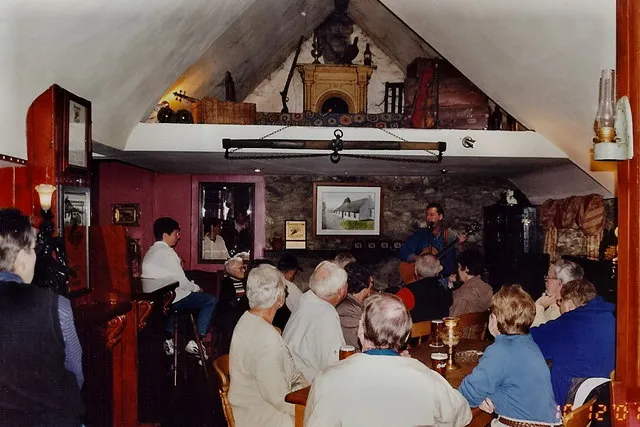
There's a rhythm to a storm day in the pub. Midday is quiet, because nobody's daft enough to go out for lunch in it. Then about half three, the first of them arrive — the walkers who've given up, the dog owners who've been dragged round the block regardless, the people whose plans got cancelled and who've decided that a fire and a plate of something hot is the best available alternative.
They're not looking for a performance. They want to be warm, they want something that sticks to their ribs, and they want to be able to look out of the window and feel smug. The storm-day menu exists to serve that, and it's the reason you'll see the specials board rewritten in marker pen by late morning, with a few things crossed out and something with mash in their place.
A menu that changes by lunchtime
By the second day of a blow, the menu has usually settled. Whatever fresh fish was in has been used or frozen; whatever meat and root veg the kitchen has committed to is now on the board and staying there. Regulars start asking for the braise by name. Somebody says the words 'storm food' approvingly, which is about as good a review as a kitchen gets in November.
And then, eventually, the wind drops. The boats go out. The crab comes back, and the menu tips back towards the sea like it always does. Nobody in the kitchen is sorry to see it — but nobody's sorry they had a few days of proper winter cooking either.
If you're in Cromer and the weather's turned, come in out of it. The board might not say what you expected. It'll say something worth eating.